
Managing Remote Teams Across Time Zones: Payroll Challenges and Solutions
Managing payroll for remote teams across time zones requires navigating complex challenges from payment scheduling to compliance. This guide explores practical solutions for coordinating global payroll operations, managing currency conversions, and ensuring timely compensation while meeting local regulations across different jurisdictions.
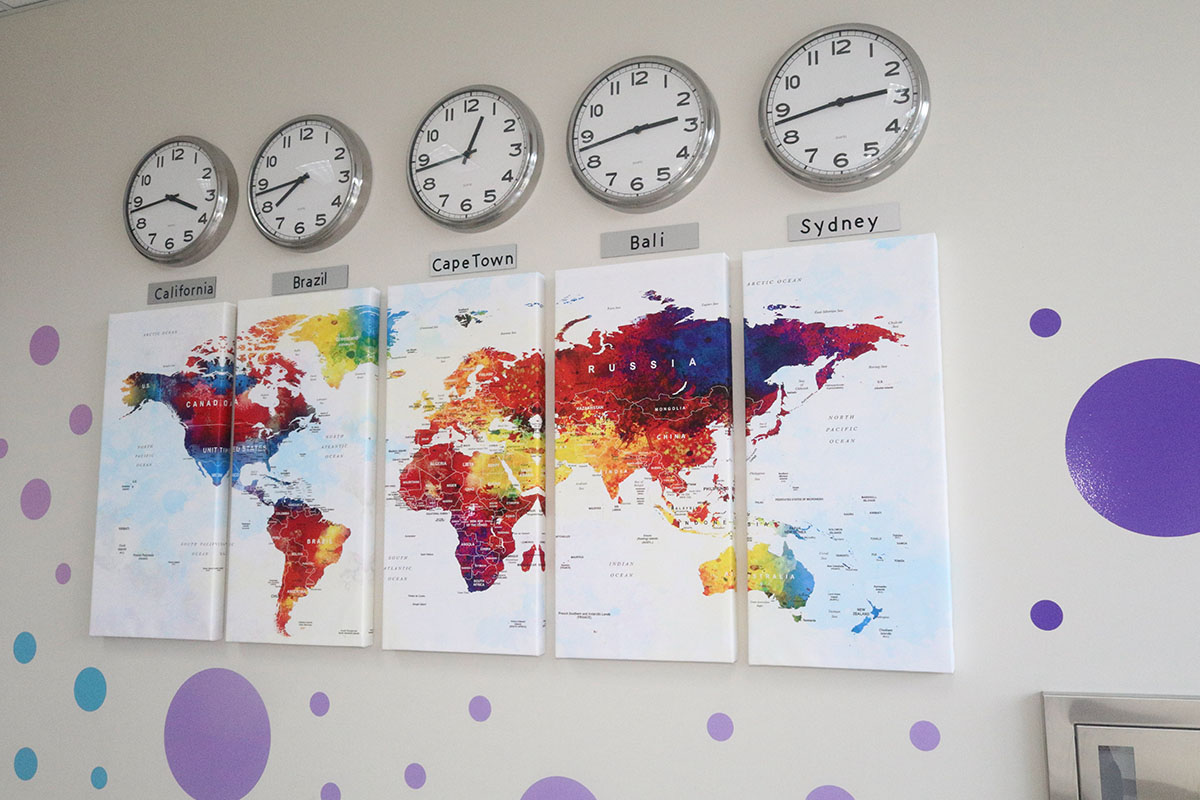
The rise of remote work has transformed how businesses operate, breaking down geographical barriers and enabling companies to tap into global talent pools. However, with this freedom comes a unique set of challenges, particularly when it comes to managing payroll for teams scattered across different time zones. From coordinating payment schedules to ensuring compliance with local regulations, businesses must navigate a complex landscape that traditional payroll systems weren't designed to handle.
The New Reality of Distributed Workforces
Today's workforce is more distributed than ever before. A single company might have developers in Eastern Europe, customer service representatives in Southeast Asia, marketing teams in North America, and sales professionals in Latin America. This geographic diversity brings tremendous advantages—access to specialized skills, round-the-clock productivity, and cost optimization—but it also introduces payroll complexities that can overwhelm unprepared organizations.
Time zone differences create the first layer of complexity. When your payroll administrator in New York starts their day, team members in Tokyo are already winding down for the evening. This asynchronous reality affects everything from communication about payroll issues to the timing of payment processing. A simple question about a payslip discrepancy that might be resolved in minutes for co-located teams can stretch into days of back-and-forth emails across time zones.
The challenge extends beyond mere scheduling inconveniences. Different time zones often correlate with different countries, each bringing its own set of labor laws, tax requirements, and cultural expectations around compensation. What might be a straightforward bi-weekly payment schedule in one location could conflict with legal requirements for monthly payments in another. These variations demand sophisticated payroll systems capable of handling multiple payment frequencies, calculation methods, and compliance requirements simultaneously.
Understanding Time Zone Impact on Payroll Operations
The mechanics of payroll processing become significantly more complex when dealing with multiple time zones. Traditional payroll systems often operate on the assumption that all processing happens within a single business day, but this model breaks down completely in a global context. Consider a company with employees in San Francisco, London, and Sydney—there's literally no hour of the day when all three locations are simultaneously in normal business hours.
This temporal complexity affects several critical aspects of payroll operations. Payment approval workflows, for instance, must be redesigned to accommodate reviewers in different time zones. A payment batch that needs approval from managers in three different continents might require a 24-hour window just to complete the approval cycle, significantly extending the time needed for payroll processing.
Bank processing times add another layer of complexity. International wire transfers don't happen instantaneously, and processing times vary significantly between countries and banking systems. A payment initiated on Thursday in one country might not reach an employee's account until the following week, especially if weekends and local holidays intervene. This delay can create cash flow challenges for employees and requires careful planning to ensure timely compensation.
Currency conversion timing becomes critical when dealing with multiple time zones. Exchange rates fluctuate throughout the global trading day, and the rate applied to a payment can vary depending on when the conversion occurs. A company paying employees in multiple currencies must decide whether to lock in rates in advance or accept the variability that comes with processing payments at different times across different markets.
Legal and Compliance Considerations
The intersection of time zones and legal compliance creates some of the most challenging aspects of global payroll management. Labor laws are inherently local, designed with domestic employment relationships in mind, and they often struggle to accommodate the realities of remote work across borders. This misalignment can create compliance risks that businesses must carefully navigate.
Working time regulations illustrate this challenge perfectly. Many countries have strict rules about maximum working hours, overtime calculations, and mandatory rest periods. But how do these apply when an employee in Berlin regularly attends evening meetings to accommodate colleagues in California? The answer isn't always clear, and businesses must develop policies that respect both the letter and spirit of local labor laws while maintaining operational flexibility.
Tax withholding requirements become exponentially more complex in a multi-time zone environment. The timing of when income is earned versus when it's paid can affect tax calculations, especially for employees who might be working across multiple tax jurisdictions. Some countries determine tax obligations based on where work is performed, while others focus on where the employee is resident. When employees travel or temporarily relocate, keeping track of these obligations across different time zones requires sophisticated tracking systems.
Data privacy regulations add yet another dimension to consider. The European Union's GDPR, for example, has strict requirements about how employee data can be processed and transferred across borders. When payroll data needs to flow between offices in different time zones, businesses must ensure that these transfers comply with all applicable privacy regulations. This might require implementing specific data protection measures or obtaining explicit consent from employees for certain types of cross-border data transfers.
Technological Solutions for Multi-Time Zone Payroll
Modern technology offers powerful solutions for managing payroll across time zones, but choosing and implementing the right systems requires careful consideration. Cloud-based payroll platforms have emerged as the preferred solution for many global businesses, offering accessibility from anywhere and automated handling of many time zone-related challenges.
Automation becomes crucial when dealing with multiple time zones. Manual processes that might work for a single-location business quickly become unsustainable when multiplied across global operations. Automated systems can handle currency conversions at predetermined times, process payments according to local schedules, and generate compliance reports that account for different regulatory requirements across jurisdictions.
Integration capabilities are particularly important for global payroll systems. The ability to connect payroll processing with time tracking systems, expense management platforms, and HR information systems becomes essential when these various systems might be operating in different time zones. Real-time data synchronization ensures that information remains current across all systems, regardless of when or where updates occur.
Self-service capabilities empower employees to manage many payroll-related tasks independently, reducing the burden on centralized payroll teams. When employees can access their payslips, update their information, and submit queries through online portals, the impact of time zone differences diminishes significantly. MakePaySlip provides flexible payslip generation capabilities that can adapt to different time zones and currency requirements, helping businesses maintain consistency while meeting local needs.
Best Practices for Payment Scheduling
Developing an effective payment schedule for a global team requires balancing multiple competing demands. Local regulations set the baseline requirements, but businesses must also consider employee expectations, cash flow management, and operational efficiency. The key is to create a system that's predictable and reliable while remaining flexible enough to accommodate local variations.
One effective approach is to establish regional payment cycles that align with local norms and requirements. Rather than forcing all employees onto a single global schedule, companies can group employees by region and process payroll according to local conventions. This might mean running weekly payroll for US employees, monthly payroll for European staff, and bi-weekly cycles for teams in other regions.
Clear communication about payment schedules becomes even more critical in a multi-time zone environment. Employees need to understand not just when they'll be paid, but also how time zone differences might affect the timing of payments. Publishing a global payroll calendar that shows payment dates in multiple time zones can help set appropriate expectations and reduce confusion.
Building buffer time into payment schedules helps accommodate the inevitable delays that occur in international payments. Rather than promising payment on the last possible day, smart companies build in cushions that account for processing delays, time zone differences, and potential technical issues. This approach might mean initiating payroll processing a day or two earlier, but it significantly reduces the stress and uncertainty for both employees and payroll teams.
Communication Strategies Across Time Zones
Effective communication forms the backbone of successful global payroll management. When team members are scattered across time zones, traditional communication methods often fall short. Email becomes the default medium, but over-reliance on asynchronous communication can lead to delays and misunderstandings that affect payroll accuracy and employee satisfaction.
Establishing communication protocols that respect time zone differences while ensuring timely information flow requires thoughtful planning. Some companies designate specific hours for synchronous communication, finding overlap windows where key team members across different regions can connect in real-time. These windows might be limited, making it crucial to use them efficiently for high-priority discussions and decision-making.
Documentation takes on heightened importance in a multi-time zone environment. When immediate clarification isn't always possible, having comprehensive written procedures, FAQs, and policy documents becomes essential. These resources should be easily accessible to all team members, regularly updated, and written in clear, unambiguous language that minimizes the potential for misinterpretation.
Creating redundancy in communication channels helps ensure that critical information doesn't get lost in the time zone shuffle. This might involve using multiple platforms—email, instant messaging, and project management tools—to share important payroll-related updates. The key is to establish clear guidelines about which channels to use for different types of communication and to ensure all team members are comfortable with the chosen platforms.
Managing Employee Expectations
Employee expectations around payroll can vary significantly based on cultural background and local norms. What's considered standard practice in one country might be unusual or even unacceptable in another. Successfully managing a global payroll operation requires understanding and accommodating these diverse expectations while maintaining operational consistency.
Transparency becomes particularly important when managing payroll across time zones. Employees need to understand how the global nature of the organization affects payroll processes, including why certain decisions are made and how various factors influence payment timing. Regular communication about payroll policies, changes, and improvements helps build trust and reduces anxiety about compensation matters.
Providing localized support options helps address the unique needs of employees in different regions. This might involve having payroll support staff in multiple time zones, offering multilingual resources, or partnering with local providers who understand regional expectations and requirements. The investment in localized support often pays dividends in improved employee satisfaction and reduced administrative burden.
Setting realistic expectations about response times and issue resolution is crucial. When the payroll team is in a different time zone, employees need to understand that immediate responses might not always be possible. However, businesses should establish and communicate clear service level agreements that specify expected response times and escalation procedures for urgent issues.
Cost Implications and Budgeting
Managing payroll across multiple time zones introduces various cost factors that businesses must carefully consider. Beyond the obvious expenses of international money transfers and currency conversion fees, there are hidden costs related to complexity management, compliance maintenance, and system requirements that can significantly impact the bottom line.
Processing costs tend to increase with geographic distribution. International payment fees, which can range from a few dollars to significant percentages of the payment amount, accumulate quickly when processing payroll for a global team. Currency conversion fees add another layer of expense, especially when exchange rate fluctuations are factored in. Smart businesses negotiate favorable rates with banking partners and explore alternative payment methods that can reduce these transaction costs.
The administrative overhead of managing multi-time zone payroll often exceeds initial expectations. Additional staff hours might be needed to provide coverage across different time zones, and the complexity of compliance management might require specialized expertise that commands premium compensation. Training costs also increase as staff members need to understand the nuances of multiple jurisdictions and time zone considerations.
Technology investments become necessary to manage global payroll effectively. While cloud-based solutions offer many advantages, they also come with ongoing subscription costs that scale with the size and complexity of the operation. Integration costs, customization requirements, and the need for robust security measures all contribute to the total technology investment required for successful global payroll management.
Future Trends in Global Payroll Management
The landscape of global payroll management continues to evolve rapidly, driven by technological advancement, changing work patterns, and regulatory developments. Understanding these trends helps businesses prepare for future challenges and opportunities in managing distributed teams across time zones.
Artificial intelligence and machine learning are beginning to transform payroll operations, offering the potential to automate complex decision-making processes that currently require human intervention. These technologies can help predict and prevent compliance issues, optimize payment timing across time zones, and provide intelligent insights that improve overall payroll efficiency.
Blockchain technology presents intriguing possibilities for international payments, potentially reducing transaction times and costs while improving transparency and security. As cryptocurrencies and digital payment systems mature, they might offer alternatives to traditional banking systems that better accommodate the needs of global, distributed teams.
Regulatory harmonization efforts, while still limited, show promise for simplifying some aspects of international payroll compliance. Regional agreements and international standards bodies continue to work toward greater alignment in areas like data privacy and tax reporting, which could eventually reduce the complexity of managing payroll across borders.
Building a Resilient Global Payroll System
Creating a payroll system capable of handling the complexities of multiple time zones requires careful planning, appropriate technology, and ongoing commitment to improvement. The goal isn't just to process payments accurately—it's to build a system that enhances employee experience, ensures compliance, and supports business growth.
Flexibility must be built into the system from the ground up. Requirements will change as the business grows, new countries are added, and regulations evolve. A rigid system that works perfectly today might become a constraint tomorrow. Designing with flexibility in mind means choosing scalable technologies, creating modular processes, and maintaining the ability to adapt quickly to changing circumstances.
Regular review and optimization ensure that the payroll system continues to meet business needs effectively. This involves analyzing processing times, identifying bottlenecks, gathering employee feedback, and staying current with technological and regulatory developments. What works for a team of 50 distributed employees might need significant adjustment when the team grows to 500.
Investment in team expertise pays long-term dividends. Whether through hiring specialized staff, providing comprehensive training, or partnering with expert providers, ensuring that your payroll team has the knowledge and skills to handle multi-time zone complexities is crucial for success. This expertise becomes a competitive advantage, enabling smoother expansion into new markets and better support for distributed teams.
Conclusion
Managing payroll for remote teams across time zones represents one of the most complex challenges facing modern businesses. The intersection of temporal, regulatory, cultural, and technological factors creates a landscape that demands sophisticated approaches and careful attention to detail. However, businesses that successfully navigate these challenges gain access to global talent pools and the competitive advantages that come with truly distributed operations.
The key to success lies in recognizing that global payroll management isn't just about processing payments—it's about creating systems and processes that respect local requirements while maintaining global consistency. It requires investment in appropriate technologies, development of clear policies and procedures, and ongoing commitment to communication and improvement.
As remote work continues to evolve and expand, the ability to effectively manage payroll across time zones will become an increasingly important competitive differentiator. Businesses that master these complexities position themselves to attract and retain the best talent, regardless of location, while those that struggle with global payroll management may find themselves at a significant disadvantage in the war for talent.
The future belongs to organizations that can seamlessly operate across borders and time zones, providing excellent employee experiences while maintaining compliance and operational efficiency. By embracing the challenges and opportunities of global payroll management, businesses can build the resilient, flexible systems needed to thrive in an increasingly distributed world.
Generate Payslips Automatically
MakePaySlip handles tax calculations, deductions, and compliance for UK, India, Australia, Pakistan & USA.
7-day free trial · $9.99/mo after trial
MakePaySlip Team
Expert payroll guides and insights from the MakePaySlip team. We help businesses across UK, India, Australia, Pakistan, and the USA generate compliant payslips.